You’ve probably already run a TikTok ad by uploading the same video you used on Meta and hoping it works. Most brands do this once, watch the cost per click climb, and assume TikTok is “just expensive.” The real issue is usually the creative, not the platform. In this guide, we’ll walk through the TikTok ads best practices that actually move performance in 2026: the hook, the format, the specs, the testing volume, and the mistakes we see brands repeat.
Quick answer: TikTok ads best practices in 2026 come down to five things: hook viewers in the first 3 seconds, make the ad look like a normal TikTok video instead of a commercial, use sound and captions together, run 10–20 creative variations per campaign, and refresh them every 2–3 weeks before fatigue sets in. Brands that follow these rules typically see a lower CPM and a higher click-through rate than brands that repurpose ads made for Meta.
Key Takeaways
- TikTok ads best practices center on native creative, not polished commercials. Ads shot to look like organic content consistently beat studio-style ads on cost and click-through rate.
- The first 3 seconds decide the outcome. TikTok’s own creative teams point to the opening seconds as the biggest factor in watch time and recall.
- Volume matters as much as quality. TikTok recommends 3–5 ad groups per campaign with 3–5 creatives each, refreshed every 2–3 weeks to avoid fatigue.
- TikTok is usually cheaper per click than Meta, but its median CPM has risen for two straight years, so “cheap” no longer means “guaranteed cheap.”
- Sound, captions, and the safe zone are technical specs, not style choices. Getting them wrong hides your CTA or your message on real phones.
- AI-generated UGC and avatars solve the volume problem most brands can’t solve with a traditional shoot schedule.
- Most guides skip the mistakes. Copying a Meta ad, over-scripting the hook, and mismatching the landing page to the ad’s promise are the three we see most often.
What Are TikTok Ads Best Practices?

TikTok ads best practices are the specific creative, format, and testing decisions that make a paid TikTok ad perform: how it opens, how it’s shot, what sound it uses, and how many versions run at once. They cover the things you control before you ever touch a bid or an audience setting.
This is different from Meta or Google best practices in one big way. On Meta, a well-produced, brand-heavy video can still perform. On TikTok, the same video usually gets skipped. TikTok’s feed trains users to expect content that looks native.
TikTok’s creative team confirms this directly. Ads that use sound, are shot vertically at 9:16, sit at 720p or higher, and feature real people creators, employees, or customers consistently outperform polished, studio-style ads.
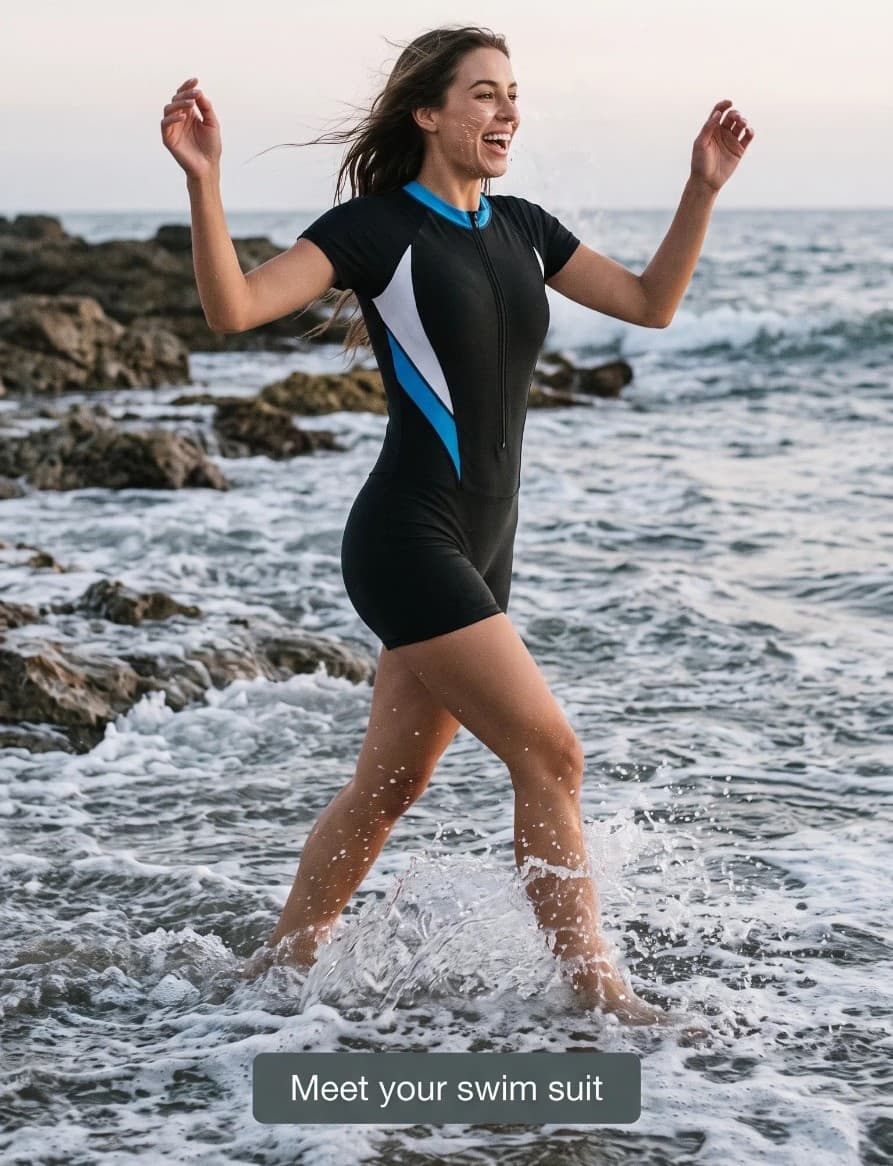
TikTok-style UGC ad example:
Why “Best Practices” Change Faster Here Than on Other Platforms
Trends, sounds, ds and editing styles on TikTok shift in weeks, not quarters. A hook that worked in January can feel dated by March. That’s why the practices in this guide are structured as principles (hook fast, stay native, test volume) rather than a list of specific trends, which age out almost immediately.
Why TikTok Ads Best Practices Matter More in 2026
TikTok ads best practices matter more in 2026 because the platform has gotten more competitive and more expensive to get wrong. TikTok’s median CPM rose 16% year over year to $13.26 for ecommerce advertisers, up from $11.43 the year before. That gap between a well-produced ad and a repurposed one now costs real money, every single day it runs.
At the same time, TikTok still tends to beat Meta on cost efficiency when the creative is right. Here’s how the two platforms compare heading into 2026:
| Metric | TikTok (typical range) | Meta (typical range) |
|---|---|---|
| CPM | $6–$13 | $8–$18 |
| CPC | $0.50–$1.50 | $0.68–$1.80 |
| Average CTR | 1.1%–1.8% | ~2.19% (link) |
| Average ROAS | 2.2x–4x | ~1.9x–4x |
| Engagement rate | 3.7% | ~0.5%–1.2% |
The takeaway isn’t “TikTok always wins.” It’s that TikTok rewards good creative more heavily than it rewards a good media buy. Get the ad wrong, and TikTok’s per-click cost advantage disappears fast.
How to Build a TikTok Ad That Actually Performs
Building a TikTok ad that performs starts with the hook, follows a simple four-part structure, and ends with one clear action. Get these three things right before you touch anything else.
The 3-Second Hook Rule
The 3-second hook rule means your ad has to earn attention before it explains anything. TikTok’s own product team frames the opening seconds as the single biggest lever on watch time, because a scrolling thumb makes its decision almost instantly. Strong hooks tend to fall into a few patterns:
- A bold, specific claim (“This is why your skincare routine isn’t working”)
- A question that creates a small information gap
- An unexpected visual or sound that breaks the scroll
- A direct callout to the viewer (“If you sell on Shopify, watch this”)
Whichever pattern you use, write the hook line first. Build the rest of the ad around it, not the other way around, for TikTok ads best practices.
Hook → Problem → Solution → CTA
Once the hook lands, the strongest TikTok ads follow a simple four-beat structure:
- Hook — earn the first 3 seconds.
- Problem — name a frustration your audience already feels.
- Solution — show your product solving it, ideally in someone’s hands.
- CTA — tell the viewer exactly what to do next, in words, not just a button.
This structure works because it mirrors how organic TikTok content is already told. It doesn’t feel like an ad interrupting a story; it feels like the story.
TikTok Ad Formats and Specs You Need to Know
TikTok ad specs cover the technical requirements: aspect ratio, resolution, file type, and length that every ad format must meet before it can run. Getting these right isn’t optional; a spec violation gets an ad rejected or degraded during review.
| Ad unit | Best for | Aspect ratio | Recommended length |
|---|---|---|---|
| In-Feed ads | Everyday performance campaigns | 9:16 (also accepts 1:1, 16:9) | 9–15 seconds |
| Spark Ads | Boosting an existing organic post or creator video | 9:16 | Native post length |
| TopView | Big-launch awareness | 9:16 | Up to 60 seconds |
| Image Carousel | Product catalogs, multi-feature products | 1:1 or 4:5 | N/A (static) |
| Video Shopping Ads | TikTok Shop, product-tagged selling | 9:16 | 9–15 seconds |
For video, the best TikTok ad strategy recommends 1080×1920 resolution at minimum 720p, .mp4/.mov/.mpeg/.3gp/.avi file types, and a file size under 500 MB. Keep on-screen text out of the bottom 15% of the frame, since that area is usually covered by TikTok’s own interface.
If your team also runs ads on other platforms, it’s worth comparing specs side by side rather than guessing. Our Reddit Ads creative specs guide breaks down the same kind of format-by-format detail for Reddit, which helps when you’re repurposing one shoot across channels.
Creative TikTok Best Practices: Native, Not Corporate
Native creative is the single biggest differentiator between TikTok ads that work and ads that get skipped. TikTok’s product features people from a viewer’s own feed: friends, creators, and everyday users, not brand logos. An ad that looks like a commercial breaks that pattern and gets scrolled past.
UGC and AI Avatars: Why “Real People” Win
Real people on camera consistently beat product-only shots. TikTok’s own testing found that showing a product in use, rather than in isolation, lifted conversion rate by 175%, and talent showing a wider range of emotion produced a 3.3x conversion lift compared to flat delivery (TikTok Creative Center, Creative Guidance).
The catch: real UGC creators are limited by schedule, cost, and how many variations you can realistically shoot in a week. This is where a lot of teams stall out, and it’s exactly the gap we built Fotyra to close. Our AI UGC video generator comparison walks through how AI-generated creator-style content lets a team produce far more hook variations than a traditional shoot schedule allows, without losing the “shot on a phone” feel TikTok rewards. If you’d rather understand the underlying tech first, our guide to AI avatars covers what they are, where they work well, and where a real person still wins.
Sound, Captions and the Safe Zone
Sound is not optional on TikTok. It’s a sound-on platform by design, so voiceover, music, or natural audio all outperform silent video. Pair audio with burned-in captions: many viewers watch with sound off in public, and captions also help with accessibility and comprehension. Keep both captions and your CTA inside the “safe zone,” the central area of the frame that stays visible once TikTok’s own UI (like buttons and captions) overlays the video.
Staying native doesn’t mean abandoning your brand. If your team is producing a high volume of TikTok-native content, our guide to Brand DNA explains how to keep every variation recognizably yours without it looking like a commercial again.
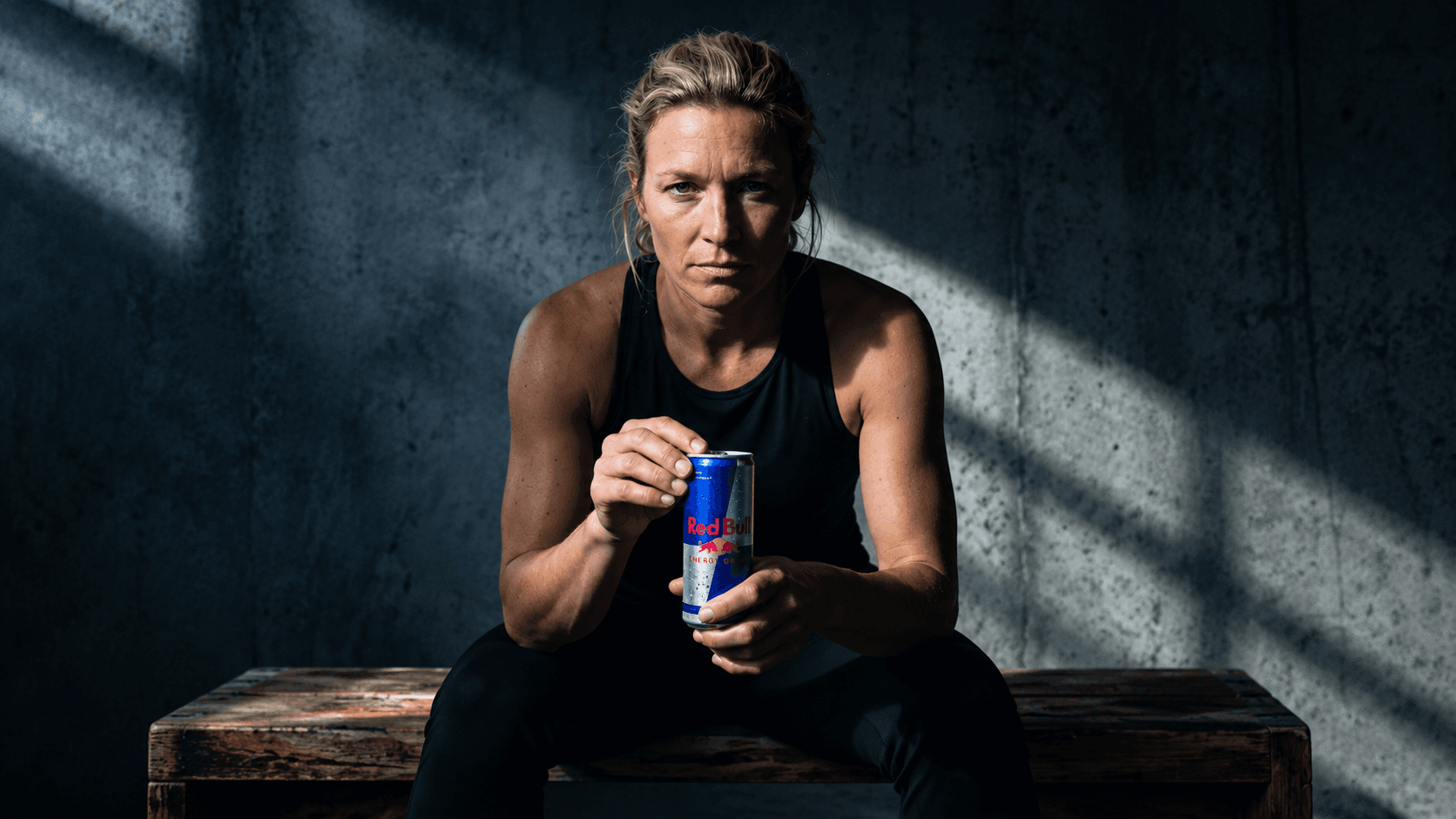
TikTok-style Cinematic ad example:
Testing and Budget: How Many Ads, How Much to Spend
TikTok testing best practice is to run more creative variations than you would on Meta, because TikTok’s audience fatigues on a single ad faster than most platforms. TikTok recommends 3–5 ad groups per campaign, each with 3–5 creatives, and a minor creative refresh every 2–3 weeks.
Budget-wise, expect a minimum of $20 per day per ad group, with $700–$1,000 as a realistic first-month test budget across a small set of ad groups. Median CPA for ecommerce sits around $32.74, though it varies heavily by category — beauty and fashion tend to run cheaper than finance or legal, where CPM can climb past $15.
If your team is already testing multiple creative angles for Amazon or Meta, the same discipline applies here. Our breakdown of how many ad creatives to test and our Amazon multi-creative case study both cover the “how many is enough” question in more depth, and the logic carries over directly to TikTok.
Producing 10–20 fresh variations every few weeks is expensive with a traditional crew. Our guide to AI video ad pricing in 2026 and our breakdown of UGC creator rates both show what that volume actually costs across self-serve tools, done-for-you production, and hiring creators directly useful context before you set a TikTok test budget.
Common TikTok Ad Mistakes to Avoid
Most TikTok ad guides list what to do and skip what goes wrong. Here are the mistakes we see most often, in order of how often they show up:
- Reusing a Meta or YouTube ad as-is. Different aspect ratio, different pacing expectations, different audience mindset. It almost always underperforms.
- Over-scripting the hook. A hook that sounds read from a script loses the “this is a real person” effect that makes native ads work.
- Mismatching the landing page. If the ad promises a specific offer or product, the click should land exactly there, not on a generic homepage.
- Stopping after one creative. A single ad, however good, fatigues within a few weeks. No testing plan means no way to catch it.
- Ignoring the safe zone. Captions or a CTA hidden behind TikTok’s own UI elements is a common, easily avoidable loss.
Tools for Producing TikTok Ads at Scale
The right tool depends on how much volume you need and how much of the process you want to run yourself. TikTok’s own Creative Center is free and worth using first; it shows trending sounds, top-performing ads by industry, and format-level inspiration before you produce anything.
For actual production, Fotyra is built specifically for ecommerce and fashion brands that need TikTok-native ads at the volume this platform demands. Fotyra reads your store to build Brand, Product, and Persona DNA. It then generates UGC-style video, product-in-hand shots, and static creative sized for TikTok, alongside Meta and Google. One brief can produce a real test set instead of a single ad.
If you want to see how that compares against another AI-first option, our comparison with Creatify lays out where each tool is a better fit. You can also browse the UGC ads gallery to see finished examples before you commit to a workflow.
Whichever route you take, keep both a fast production path and TikTok’s free research tools in your process; the goal is more tested variations, not a bigger production bill.
TikTok-style Product demonstration ad example:
What’s Next: Turning This Into a Real Campaign
Start small and specific. Pick one product, write three hook lines using the patterns above, and produce them as three separate ads rather than one “safe” version. Launch them in a single ad group with an even budget split, let each one collect real data for a few days, then kill the weakest and put its budget behind the winner. Repeat that cycle every 2–3 weeks, and TikTok ads best practices stop being a checklist and start being how your team already works.
If your team sells beauty, skincare, or another visual-first category, our beauty product ads guide walks through format-specific examples that translate directly into TikTok creative. And if product video itself is your bottleneck, our guide to making product videos with AI and our complete guide to AI product videos for ecommerce are the natural next reads.
Conclusion
TikTok ads best practices aren’t complicated, but they are specific: hook fast, look native, use sound and captions correctly, and test more variations than feels comfortable. The brands that treat TikTok like a smaller Meta account usually pay more for less. The ones that build for TikTok’s actual feed and produce enough creative to keep testing tend to see the lower CPMs and higher engagement the platform is known for. Ready to see how many test-ready TikTok ads your next product launch could produce? Book a call with Fotyra or start free and turn one product page into a real TikTok test set.
Frequently Asked Questions
What is the best strategy for TikTok ads?
The best TikTok ad strategy pairs a strong 3-second hook with native, UGC-style production, then tests 3–5 creative variations per ad group instead of relying on one “hero” ad. Refresh those creatives every 2–3 weeks to stay ahead of fatigue.
How do I make a good ad on TikTok?
Write the hook line before anything else. Shoot vertically at 9:16. Use real people rather than product-only shots. Add sound and burned-in captions. End with a spoken call to action, not just a button. Keep it under 15 seconds unless your product genuinely needs more time to explain.
Why is TikTok 90% ads now?
It isn’t literally 90% ads for most users, but the feeling is real: TikTok has expanded ad formats (In-Feed, Spark Ads, Shopping Ads) and leans on creator-style Spark Ads that are hard to distinguish from organic content. That’s a deliberate design choice, since native-looking ads perform better than obviously branded ones.
What are TikTok’s best practices, in one sentence?
Make it look like a TikTok, not a commercial: fast hook, vertical video, sound on, real people, and enough creative variations to keep testing.
What are the best practices for TikTok ads in 2026, specifically?
Heading into 2026, the practices that matter most are: designing for a sound-on, vertical feed; leading every ad with a 3-second hook; using real people over product-only shots; running 3–5 creatives per ad group; and refreshing that set every 2–3 weeks as CPMs continue climbing year over year.
What makes a TikTok ad “successful” or trend-worthy?
Successful and trending TikTok ads share the same traits as successful organic videos: a hook in the first 3 seconds, a relatable problem-solution arc, and native-feeling production. TikTok’s own Creative Center lets you browse top-performing ads by industry, which is the fastest way to see current examples rather than relying on a static list that ages out in weeks.
Are best practices for posting organically on TikTok the same as best practices for TikTok ads?
They overlap but aren’t identical. Organic posting best practices focus on things like posting cadence, hashtag use, and riding trends to grow reach for free. Paid TikTok ads best practices add a layer on top. This includes spec compliance, ad-group structure, budget pacing, and a formal testing cycle. None of these apply to an organic post. If your team is only asking about growing an organic account, look for a dedicated organic TikTok growth guide rather than this one. The two goals lead to different tactics.
How many TikTok ad creatives should I run at once?
TikTok recommends 3–5 ad groups per campaign with 3–5 creatives in each, refreshed on a 2–3 week cycle to avoid the fatigue that comes with reusing the same ad too long.
Is TikTok cheaper than Meta for ads?
Usually, on a cost-per-click basis, typical TikTok CPCs run $0.50–$1.50 versus $0.68–$1.80 on Meta. But TikTok’s CPM has climbed for two straight years, and the gap narrows or disappears fast if the creative isn’t built for the platform.