You’ve probably already scrolled past one without realizing it: a “creator” in a TikTok ad who never actually filmed anything, or a product video with a presenter who doesn’t technically exist. That gap between what you’re watching and what actually happened on a real set is exactly what an AI avatar is built to close. This guide explains what an AI avatar is, how the technology works, what it costs, and how ecommerce and fashion brands are already using it to replace expensive photoshoots with on-demand video ads.
If you’re wondering what an AI avatar is, the simplest answer is this: it is an AI-generated digital person or character that can speak, move, and appear on screen without requiring a traditional filming setup.
Quick Answer: What is an AI avatar? An AI avatar is a digitally generated, human-like character powered by artificial intelligence that can speak, gesture, and present on camera without a live actor, camera crew, or studio. Brands use AI avatars to produce product demos, UGC-style ads, and lifestyle video content at a fraction of traditional production cost and time, because a single AI avatar can be reused across unlimited scripts, outfits, and languages instead of being booked, filmed, and edited once.
What Is an AI Avatar?
An AI avatar is a digitally generated character or digital representation, powered by artificial intelligence, that can communicate, speak, move, or appear on behalf of a person, brand, or organization. Unlike a static profile picture or a hand-animated cartoon, an AI avatar is generated and driven by AI models in real time or near-real time, which is what allows it to deliver a new script, a new outfit, or a new language without anyone stepping in front of a camera.
Three things have to be true for something to count as an AI avatar rather than a static image. First, there’s visual embodiment: a face or body that a viewer recognizes as a “person,” whether that’s a photorealistic video presenter or a stylized 3D character. Second, there’s an AI generation and language layer that determines what the avatar says and how the speech is generated. For scripted avatars, this may simply convert a written script into speech. Interactive avatars can additionally process user input and generate responses in real time.
For ecommerce specifically, AI avatars typically show up as AI spokesmodels: characters that present a product on camera, deliver a scripted hook, or narrate a UGC-style testimonial for a social ad. That’s a narrower, more commercial use case than the customer-service or corporate-training avatars most generic guides focus on, and it’s the version most fashion, beauty, and DTC brands are searching for when they type “what is an AI avatar” into Google.
AI Avatar vs. AI Spokesmodel: What’s the Difference?
An AI avatar is the broader technology; an AI spokesmodel is a specific marketing job that technology does. An AI avatar is any AI-generated character that can speak, move, or present; the category covers customer-service bots, training presenters, and virtual influencers alike. An AI spokesmodel is an AI avatar used specifically to present products, deliver ad scripts, or appear in UGC-style content.
In short: every AI spokesmodel is an AI avatar, but not every AI avatar is built to sell something. If you searched “AI avatar for ecommerce” or “AI spokesmodel,” this is the distinction you’re looking for: the commercial subset, not the broader technology category.
AI Avatar vs. Digital Avatar vs. Brand Avatar: What’s the Difference?
This is where most search results get confusing, because “avatar” gets used for three unrelated things. Here’s the distinction, side by side.
| Term | What it actually is | Who uses it |
|---|---|---|
| Traditional avatar | A static or manually controlled digital image: a profile photo, gamertag icon, or Slack picture. It doesn’t speak or move on its own. | Social platforms, games, forums |
| AI avatar | A digitally generated, AI-driven character that speaks, gestures, and presents on camera the subject of this guide. | Marketers, content teams, ecommerce brands, educators |
| Brand avatar (customer avatar) | A fictional, written profile of your ideal customer demographics, pain points, and buying habits used to guide marketing strategy. It’s not a video character at all. | Marketing and brand teams building strategy or personas |
If you searched “what is a brand avatar” or “what is an avatar in marketing” and landed here, you’re likely looking for the third row: a customer avatar is a strategic marketing document, built from research, that describes who you’re selling to. It has nothing to do with AI-generated video; the shared word “avatar” is a coincidence of terminology, not a technical overlap. Both concepts matter to a marketing team, but they solve completely different problems, which is exactly why they get confused in search results.
Now that you know what an AI avatar is, the next question is how the technology actually works.
How Do AI Avatars Work?
Short answer: AI avatars combine a visual representation with AI-generated speech, voice synthesis, and facial or body animation. Depending on the platform, they can follow a script or respond to users in real time.
An AI avatar runs on four connected technical layers: a visual layer, an intelligence layer, a voice layer, and a behavior layer. Understanding these layers explains both what makes an avatar look convincing and why some tools produce stiffer results than others.
The Four Layers Behind Every AI Avatar
- The visual layer is the avatar’s appearance built through 3D modeling, neural rendering, or diffusion-based image generation. This is the layer that determines whether an avatar looks photorealistic or obviously synthetic.
- The intelligence layer handles what the avatar “knows” and says. For scripted marketing avatars, this layer turns a written script into properly paced, natural-sounding delivery. For interactive avatars (customer service, for example), it also processes and responds to what a user says in real time.
- The voice layer converts text into speech using text-to-speech (TTS) models. Modern TTS systems support emotional tone, accents, and voice cloning, which is why a well-made avatar can sound excited, warm, or matter-of-fact depending on the script, not flat and robotic.
- The behavior layer synchronizes lip movement, facial expression, and gestures with the voice track. This is the layer most responsible for the “uncanny valley” feeling when it’s done poorly, and for a genuinely convincing presenter when it’s done well.
The Main Types of AI Avatars
Understanding what an AI avatar is becomes more useful when you know the different forms it can take. The three types that matter most for ecommerce brands are:
- Studio avatars — pre-built, ready-to-use characters offered by the platform. Fastest way to start; no likeness rights to manage.
- Custom avatars (“digital twins”) — built from a real person’s photos or a short reference video, so the avatar looks and sounds like a specific individual (a founder, an in-house model, or a licensed talent).
Platforms can offer different options for shaping an AI avatar’s appearance and presentation, including different faces, postures, environments, and visual styles.

Fotyra’s AI Spokesmodel selection interface showing different faces, poses, environments, and presentation styles.
- Interactive avatars — respond to input in real time, most common in customer service and support rather than advertising.
For product ads and UGC-style content, brands overwhelmingly use the first two: a studio avatar for speed, or a custom digital twin when brand consistency across a whole campaign matters more than launch speed.
Why Do AI Avatars Matter for Ecommerce Brands?
AI avatars matter because they remove the two biggest bottlenecks in ecommerce video production: cost and speed, at exactly the moment AI-influenced shopping traffic is becoming a measurable revenue channel. A single professional video ad with a live actor typically runs $3,000–$15,000 and takes one to three weeks from brief to delivery. An AI avatar video can be produced same-day and re-cut into dozens of variations for a fraction of that cost.
That matters more this year than it did two years ago. Generative-AI-referred traffic to retail sites grew 693% year-over-year during the 2025 holiday season and converted 31% higher than traffic from other sources. Separately, Adobe’s March 2026 data found AI-referred visitors converting 42% more often than non-AI traffic, a full reversal from a year earlier. In plain terms: the shoppers arriving through AI-driven discovery are proving more valuable, not less, which raises the stakes on having enough on-brand video creative to meet that demand.
Volume is the other half of the argument. Many performance-focused ecommerce teams test multiple creative variations to identify which hooks, formats, and messages perform best. Booking a studio, a crew, and talent for 50 video variations isn’t realistic for most ecommerce teams; generating 50 AI avatar variations from the same script and product reference is.
How Are Ecommerce and Fashion Brands Actually Using AI Avatars in Ads?
Ecommerce and fashion brands use AI avatars primarily for two things: scaled product demo/UGC-style ads, and consistent digital-twin campaigns that would be too expensive to reshoot repeatedly. Neither use case is hypothetical; several major brands have already run public campaigns.
Product Demo and UGC-Style Video Ads
This is the highest-volume use case. Instead of shipping product to ten UGC creators and waiting two weeks for content, a brand scripts a hook, pairs it with an AI spokesperson, and generates dozens of variations different faces, different scripts, different angles in one session. The format mirrors the casual, talk-to-camera testimonial style that performs well on TikTok and Reels, and it’s the fastest way for a smaller ecommerce brand to test hooks before committing budget to paid media.
Digital Twins and Brand Campaigns
Larger brands have used AI avatars for full campaigns, not just single ads. H&M built digital twins of 30 real models in 2025, using them across ads, product pages, and social content, with the models retaining image rights and compensation, an ethical model worth noting given the consent concerns AI avatars raise. Gucci partnered with Genies to let users “try on” digital versions of new collections through branded avatars. And Klarna’s CEO used an AI avatar of himself to deliver quarterly earnings. These aren’t fringe experiments; they’re evidence that AI avatars have moved from novelty to a standard part of the ecommerce and fashion marketing toolkit.
Read the full ReVive case study to see what an AI-spokesmodel-driven campaign concept looks like end-to-end, not just as a single video.
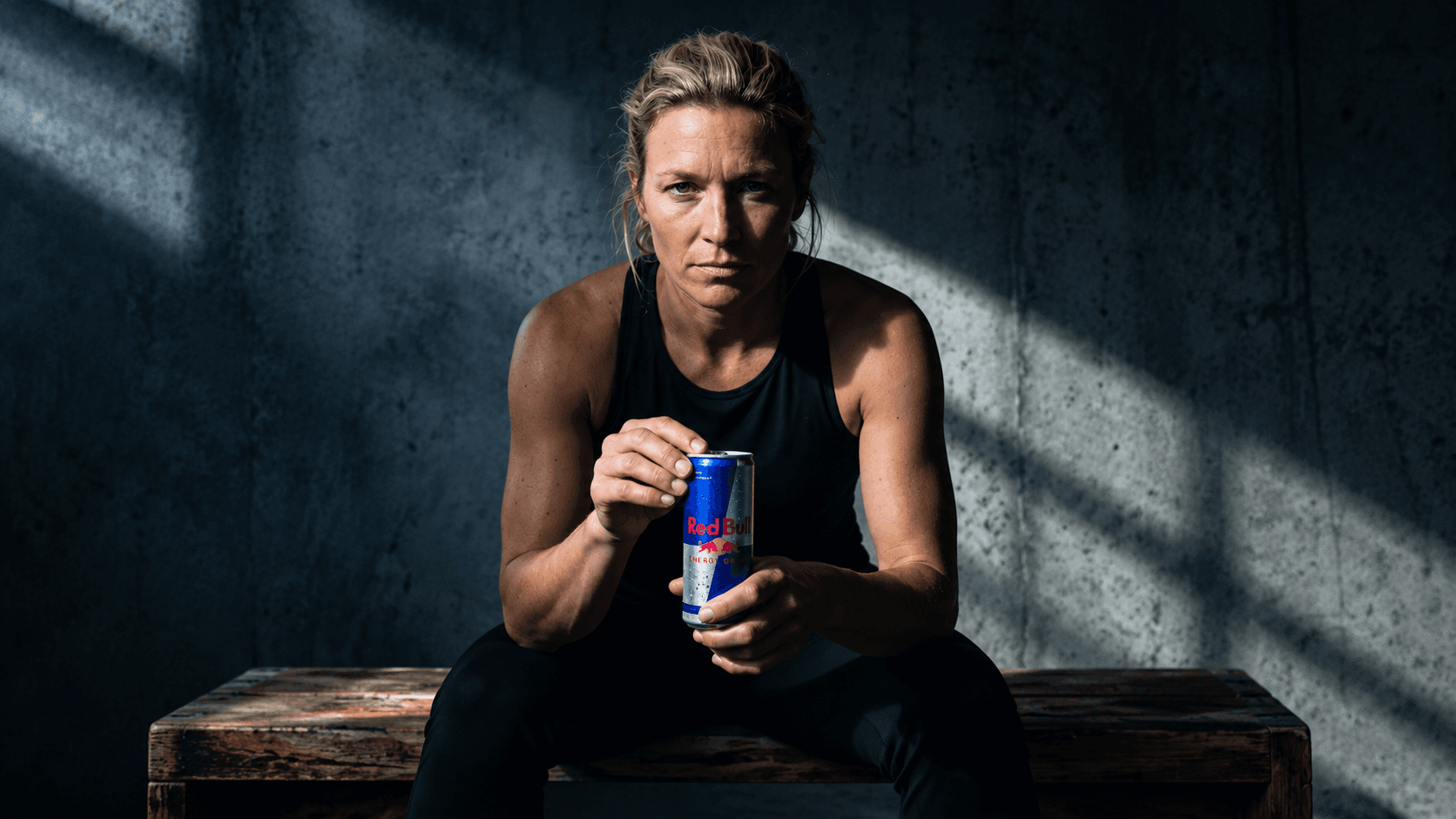
AI Avatar Video Example: Fotyra can also create AI-powered spokesperson-style videos for different creative concepts, including sports and entertainment-style content. These examples show how an AI avatar can deliver scripted content without a traditional on-camera shoot.
How Much Does It Cost to Create an AI Avatar?
Short answer: AI avatar costs range from free plans to hundreds of dollars per month, depending on the avatar type, video length, customization, and production volume.
Costs range from free (with a watermark) to several hundred dollars a month, depending on whether you need a stock avatar or a custom digital twin, and whether you need general-purpose video or ecommerce-specific ad production. Most platforms price on a credit or per-minute basis rather than a flat per-video fee.
| Tool type | Typical entry price | Best for |
|---|---|---|
| Free tiers (HeyGen, D-ID, Synthesia) | $0/mo, watermarked | Testing the format before committing budget |
| General-purpose avatar generators (HeyGen, Synthesia) | ~$24–$29/mo | Talking-head videos, training, presentations |
| UGC/ad-focused avatar tools (Creatify) | ~$19–$39/mo | Individual video ads, URL-to-video workflows |
| Ecommerce ad studios (Fotyra) | From $199/mo | On-brand product ads across UGC, static, and cinematic formats at volume, with brand and product consistency built in |
The comparison that matters most isn’t tool-to-tool; it’s AI-avatar production versus traditional production. A traditional video ad with a live model still costs roughly $3,000–$15,000 per video once you include casting, a studio day, and editing. An AI avatar subscription that produces 75–250 videos a month for $199–$599 changes the unit economics entirely, which is why cost is usually the first question ecommerce marketers ask; see how AI cuts ecommerce content production time by roughly 80% for the fuller breakdown.
How Do You Create a Custom AI Avatar? (Step-by-Step)
Short answer: Creating a custom AI avatar usually involves choosing an avatar platform, providing reference material when required, creating the script, generating the video, reviewing the output, and approving it for publication.
Creating a custom AI avatar generally takes five steps: define the goal, choose or build the avatar, write the script, generate and review the output, and approve before publishing. The exact steps vary slightly by platform, but the sequence holds across most tools.
- Define what the avatar needs to do. A product demo, a UGC-style testimonial, and a brand film all call for different scripts, pacing, and tone; decide this before touching a tool.
- Choose a stock avatar or build a custom one. A stock avatar is ready instantly; a custom digital twin needs reference photos or a short video of the person it’s modeled on, plus their consent.
- Write or generate the script. Keep scripted hooks short and specific; most ad-focused platforms include an AI script assistant if you’re starting from a blank page.
- Generate the video and check it against your brand and product references. This is the step where quality control matters most: verify the product looks correct, the avatar’s delivery matches your brand voice, and nothing has visually drifted from the source.
- Review, approve, and export. Treat AI avatar output the way you’d treat any other ad creative a human should sign off before anything goes live, and most platforms build that approval step into the workflow by default.
What Are the Limitations of AI Avatars?
AI avatars are a strong fit for scaled ad testing, but they’re not the right tool for every message or every brand. The main limitations to plan around:
- Uncanny or inconsistent expressions. Even good tools occasionally produce a facial expression or micro-movement that reads as slightly off, especially in longer takes.
- Imperfect product interaction. An avatar holding, applying, or demonstrating a physical product is harder to get right than one simply talking to the camera; this is usually the first thing to review closely before publishing.
- Voice and lip-sync quality varies by tool. Cheaper or older models can sound flat or fall out of sync with mouth movement, particularly on longer scripts.
- Likeness and consent rights matter for custom avatars. A digital twin built from a real person’s photos or video needs that person’s clear consent and, usually, a contract covering how their likeness can be used and for how long.
- Disclosure requirements add a compliance step. Depending on the platform and how realistic the avatar looks, you may need to label the ad as AI-generated; read more on that below.
- Not every brand voice suits an AI presenter. Some categories and audiences respond better to a real founder or creator on camera, and an AI avatar shouldn’t replace that when authenticity is the whole point of the ad.
Which AI Avatar Tool Should You Use?
The right tool depends on what you’re actually producing. General-purpose avatar generators like HeyGen and Synthesia are strong for talking-head video, corporate training, and presentations; they’re not built around product ads or brand-fidelity checks. Ad-focused tools like Creatify specialize in turning a product URL into a single video ad quickly.
For ecommerce and fashion brands producing ad creative at volume static ads, product photography, UGC video, and cinematic spots that all need to share one brand and one recurring AI spokesperson, a purpose-built ecommerce ad studio like Fotyra is built around that specific job: reading a store’s products and brand once, then generating on-brand ads across formats instead of one avatar video at a time. See the full Fotyra vs. Creatify comparison if you’re weighing a single-avatar generator against a brand-aware ad studio directly.
It’s worth testing a free tier on a general tool first if you’ve never used an AI avatar before; it’s the fastest way to see the format for yourself before deciding whether you need single-video generation or full-catalog ad production.
What’s Next: Putting an AI Avatar to Work for Your Brand
Start small. Pick one product, one script, and one 15-second UGC-style ad. Test it against your existing creative on the same platform and audience before committing more budget.
Fotyra’s Lumara case study shows what that first test can grow into. One prestige skincare brand went from zero AI creative to a full campaign of static, cinematic, and UGC ads, all built from one AI spokesmodel roster without a physical shoot.
That’s the real value of an AI avatar for ecommerce: fewer bottlenecks between a good idea and a live ad. The fastest way to know if it works for your brand is to see it built on your own products.
Conclusion
An AI avatar is, at its core, a digital stand-in for a human presenter powered by AI, capable of speaking any script, wearing any outfit, and appearing in any language without a reshoot. For ecommerce and fashion brands, that capability arrives at exactly the moment when testing more ad variations, faster, has become a competitive requirement rather than a nice-to-have.
Whether you start with a free tier on a general-purpose tool or go straight to an ecommerce-specific ad studio, the fastest way to understand AI avatars is still to make one and watch how it performs against your existing creative.
Book a 30-minute call, and Fotyra will build your first AI spokesmodel campaign on your own store, live, on the screen.
Frequently Asked Questions
What is an AI avatar?
An AI avatar is a digitally generated, human-like character that uses artificial intelligence to speak, gesture, and present on camera, without a live actor or camera crew.
What is a brand avatar, and is it the same as an AI avatar?
No. A brand avatar (also called a customer avatar or buyer persona) is a written, fictional profile of your ideal customer used to guide marketing strategy;y it isn’t a video character at all. The two terms share a word but describe unrelated concepts.
What is an avatar in marketing?
“Avatar” in marketing usually refers to a customer avatar: a detailed, semi-fictional profile of your ideal buyer, built from research into their demographics, pain points, and buying behavior. It’s a strategy tool, not an AI video technology.
How much does it cost to create an AI avatar?
Costs range from free (watermarked, limited) to roughly $24–$39/month for general-purpose tools, and from $199/month for ecommerce-specific ad studios that produce multiple formats at volume. Custom digital twins typically cost more than stock avatars.
Can you create an AI avatar for free?
Yes, most major platforms (HeyGen, Synthesia, D-ID) offer a free tier, usually with a watermark, limited monthly minutes or videos, and access to only a subset of stock avatars.
How do I create my own custom avatar?
Choose a platform that supports custom or “digital twin” avatars, provide reference photos or a short video of the person the avatar is based on (with their consent), then pair the avatar with a script to generate video.
Can I use a photo as an AI avatar?
Yes, es several tools (D-ID and Hedra, for example) specialize in animating a single photo into a talking avatar, though the result is generally less flexible than an avatar built from video reference footage.
Is an AI avatar the same as a deepfake?
No. AI avatars and deepfakes share some underlying technology, but AI avatars are created with the consent of the person they’re based on, for legitimate business or creative use, and reputable platforms disclose that content is AI-generated. Deepfakes typically involve non-consensual use of someone’s likeness.
What brands actually use AI avatars in their ads?
H&M built AI digital twins of 30 real models for its 2025 campaigns, Nike used AI-generated versions of Serena Williams for its “Never Done Evolving” spot, Gucci partnered with Genies on brand-avatar try-on features, and Klarna’s CEO used an AI avatar of himself for a quarterly earnings video.
What’s the best AI avatar maker for ecommerce brands specifically?
It depends on scale. For a single video, general-purpose tools like HeyGen or Synthesia work fine. For ongoing ad production across formats UGC, static, and cinematic with the same product and brand staying consistent, an ecommerce-specific ad studio like Fotyra is built for that workflow rather than one-off video generation.